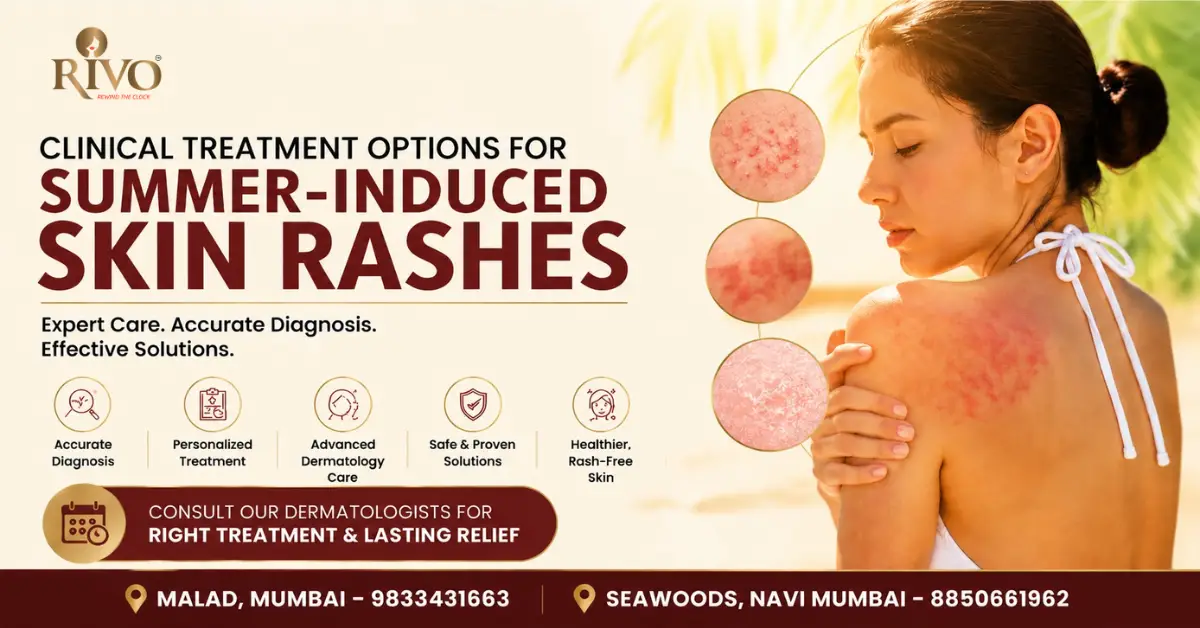
Summer skin rash treatment is essential during hot and humid weather when skin-related concerns increase significantly. Summer brings sunshine, outdoor activities, vacations, and longer days. However, it also brings a noticeable increase in skin-related concerns, especially various types of rashes caused by heat, humidity, excessive sweating, and prolonged sun exposure. During the warmer months, dermatologists frequently see patients experiencing symptoms such as redness, itching, irritation, burning sensations, and uncomfortable skin eruptions that can affect daily life and overall comfort.
While some summer rashes may appear mild initially and improve with basic care, others can become persistent, spread to larger areas of the body, or even develop secondary infections if left untreated. In many cases, conditions that look like simple heat rashes may actually be fungal infections, allergic reactions, or sun-induced skin disorders that require a different treatment approach. This is why identifying the underlying cause is essential before starting any form of treatment.
At Rivo Skin Care Clinic, dermatologists regularly diagnose and manage a wide range of heat-related and summer-induced skin conditions. Understanding the symptoms, triggers, and available summer skin rash treatment options can help individuals seek timely care, prevent complications, and maintain healthier skin throughout the season. In this guide, we explore the most common summer rashes, their causes, and the clinical treatment options available.
Why Skin Rashes Are More Common During Summer
The skin works harder during hot weather to regulate body temperature. Increased sweating, prolonged sun exposure, and environmental irritants can weaken the skin barrier and create conditions that promote inflammation.
Common summer triggers include:
- Excessive sweating
- Heat and humidity
- Prolonged sun exposure
- Friction from clothing
- Swimming pool chemicals
- Dust and pollution
- Allergic reactions
- Bacterial or fungal growth
These factors often lead individuals to seek professional summer skin rash treatment when symptoms become severe or persistent.
Common Types of Summer-Induced Skin Rashes
1. Heat Rash (Miliaria)
Heat rash occurs when sweat ducts become blocked, trapping sweat beneath the skin.
Symptoms
- Small red bumps
- Itching or prickling sensation
- Mild swelling
- Clusters of tiny blisters
It commonly develops on:
- Neck
- Chest
- Back
- Underarms
- Groin area
Heat rash is one of the leading reasons patients seek summer skin rash treatment during periods of extreme heat.
2. Sun Rash (Photosensitivity Reactions)
Some individuals develop rashes after exposure to sunlight.
Symptoms
- Red patches
- Itchy bumps
- Burning sensation
- Small blisters
Sun rash may occur due to:
- UV sensitivity
- Certain medications
- Autoimmune conditions
- Cosmetic product reactions
Prompt summer skin rash treatment can help reduce discomfort and prevent worsening symptoms.
👉 To Know More Read This Blog – How to prevent sunburn on face
3. Fungal Skin Rashes
Warm and humid conditions create an ideal environment for fungal growth.
Common fungal infections include:
- Ringworm
- Tinea corporis
- Intertrigo
- Yeast-related skin irritation
Symptoms
- Circular red patches
- Scaling
- Persistent itching
- Skin peeling
Dermatologists often encounter fungal infections as a major cause of summer-related skin complaints.
4. Contact Dermatitis
Summer activities expose the skin to various irritants and allergens.
Potential triggers include:
- Sunscreens
- Fragrances
- Plants
- Pool chemicals
- Detergents
- Fabrics
Identifying the trigger is a critical part of effective summer skin rash treatment.
👉 To Know More Read This Blog – Sudden Acne Breakouts
How Dermatologists Diagnose Summer Rashes
Accurate diagnosis is essential because different rashes may appear similar but require completely different treatments.
A dermatologist may evaluate:
Diagnostic Factor | Purpose |
Medical History | Identify triggers and allergies |
Physical Examination | Assess rash appearance |
Skin Scraping | Detect fungal infections |
Allergy Assessment | Identify contact irritants |
Medication Review | Evaluate photosensitivity causes |
A thorough assessment helps determine the most appropriate summer skin rash treatment for each patient.
Clinical Treatment Options for Summer Skin Rashes
1. Topical Anti-Inflammatory Medications
For inflammatory rashes, dermatologists may recommend prescription creams or lotions designed to reduce redness and irritation.
Benefits include:
- Reduced inflammation
- Relief from itching
- Faster healing
- Improved comfort
These treatments are commonly included in a personalized summer skin rash treatment plan.
2. Antihistamine Therapy
When allergic reactions contribute to rash development, antihistamines may help control symptoms.
Benefits
- Reduces itching
- Minimizes allergic response
- Improves sleep disrupted by irritation
Many patients experience significant relief when antihistamines are combined with other forms of summer skin rash treatment.
3. Antifungal Treatment
Fungal rashes require targeted therapy.
Treatment options may include:
- Antifungal creams
- Medicated powders
- Prescription oral medications
- Hygiene recommendations
Without appropriate management, fungal infections can spread and become more difficult to treat.
4. Skin Barrier Repair Therapy
Many summer rashes occur because the skin barrier becomes compromised.
Barrier repair treatments focus on:
- Restoring hydration
- Reducing sensitivity
- Strengthening skin defenses
- Supporting recovery
This approach is increasingly recognized as an important component of modern summer skin rash treatment.
👉 To Know More Read this blog – Damaged Skin Barrier Repair
5. Medical-Grade Moisturization
Although summer is often associated with oily skin, dehydration can worsen irritation and inflammation.
Dermatologists may recommend products containing:
- Ceramides
- Hyaluronic Acid
- Glycerin
- Panthenol
These ingredients support healing and improve overall skin comfort.
When a Rash Requires Immediate Medical Attention
Not all rashes can be safely managed at home.
Seek prompt dermatological evaluation if you experience:
- Severe pain
- Rapidly spreading rash
- Fever
- Pus formation
- Swelling
- Skin cracking
- Persistent symptoms beyond two weeks
Early intervention often leads to more successful summer skin rash treatment outcomes.
Common Mistakes That Can Worsen Summer Rashes
Many individuals unintentionally aggravate their condition.
Avoid These Mistakes
- Excessive scratching
- Using harsh soaps
- Applying random home remedies
- Ignoring persistent symptoms
- Wearing tight synthetic clothing
- Overusing medicated creams without guidance
Avoiding these behaviors can significantly improve treatment success.
Preventive Strategies for Healthy Summer Skin
Preventing rashes is often easier than treating them.
Recommended Summer Skin Care Habits
Preventive Measure | Benefit |
Wear breathable clothing | Reduces sweat accumulation |
Stay hydrated | Supports skin health |
Use dermatologist-recommended sunscreen | Protects against UV damage |
Shower after sweating | Removes irritants |
Keep skin dry in folds | Prevents fungal growth |
Avoid known allergens | Reduces flare-ups |
These habits can lower the likelihood of needing extensive summer skin rash treatment later.
👉 Read This Blog – Dry Skin Treatment
The Role of Sun Protection in Rash Prevention
Many summer skin problems begin with excessive sun exposure.
Dermatologists recommend:
- Broad-spectrum sunscreen
- Reapplication every two hours
- Protective clothing
- Hats and sunglasses
- Seeking shade during peak sunlight hours
Sun protection remains one of the most effective ways to reduce skin irritation during summer.
Why Summer Rashes Should Not Be Self-Diagnosed
Many summer rashes can look similar but have completely different causes. For example, a fungal infection may resemble heat rash, while an allergic reaction can sometimes appear similar to sun-induced skin irritation.
Using the wrong cream or relying solely on home remedies may worsen symptoms and delay recovery. Dermatologists focus on identifying the exact cause of the rash before recommending treatment, ensuring safer and more effective results.
Personalized Dermatological Care for Summer Rashes
No two skin rashes are identical. Factors such as age, skin type, medical history, environmental exposure, and underlying conditions all influence treatment decisions.
A personalized treatment plan may include:
- Detailed skin evaluation
- Identification of triggers
- Prescription medications
- Barrier repair therapies
- Follow-up assessments
- Preventive skincare recommendations
This individualized approach often delivers the best long-term results.
Why Professional Treatment Matters
Many summer rashes appear similar on the surface, but their causes can vary dramatically. What seems like heat rash may actually be a fungal infection, allergic reaction, or photosensitivity disorder.
Professional dermatological evaluation helps:
- Ensure accurate diagnosis
- Prevent complications
- Reduce recurrence
- Improve treatment outcomes
- Protect overall skin health
For persistent symptoms, professional summer skin rash treatment is often the safest and most effective solution.
Conclusion
Summer-induced skin rashes are common but should never be ignored when symptoms become persistent or severe. Heat, humidity, sweating, allergens, sun exposure, and infections can all contribute to skin irritation during warmer months.
Understanding the cause is essential because different rashes require different treatment approaches. From anti-inflammatory therapies and antifungal medications to barrier repair treatments and preventive skincare strategies, modern dermatology offers effective solutions for a wide range of summer skin conditions.
Early diagnosis often makes treatment faster and more effective. If your rash keeps returning, spreads rapidly, or fails to improve despite home care, consulting a dermatologist can help identify the underlying cause and provide the most appropriate summer skin rash treatment for lasting relief.
Frequently Asked Questions (FAQs)
Common causes include heat, sweating, sun exposure, fungal infections, allergies, friction, and environmental irritants.
The ideal treatment depends on the underlying cause and may include anti-inflammatory medications, antifungal therapy, antihistamines, or barrier repair treatments.
Mild heat rash often improves with cooling measures and reduced sweating, but persistent cases may require professional treatment.
Fungal rashes often cause persistent itching, scaling, redness, and may appear in warm, moist areas of the body. A dermatologist can confirm the diagnosis.
Consult a dermatologist if the rash spreads, becomes painful, develops pus, lasts more than two weeks, or does not improve with basic care.
👉 Read This Blog – Best Dermatologist in Mumbai
Yes. Some individuals may develop contact dermatitis or allergic reactions to certain sunscreen ingredients, requiring evaluation and alternative product recommendations.
Contact Rivo Skin Clinic
Book Your Consultation Today
📞 Call Us: +91 9833431663 / +91 8850661962
📍 Locations: Mumbai & Navi Mumbai
Experiencing redness, itching, heat rash, fungal infections, or other summer-related skin concerns?
Book a consultation with the experts at Rivo Skin Care Clinic for accurate diagnosis, personalized treatment, and professional skin care solutions tailored to your needs.