One of the most frequent complaints that patients visit a dermatology clinic with is skin pigmentation. Pigmentation can manifest itself in the form of dark spots, uneven skin tone, melasma, post-acne marks or sun damage, and can have a profound impact on a person’s self-confidence and overall appearance. Though there are numerous over-the-counter creams and home remedies available to help lighten pigmentation, cosmetic doctors treating pigmentation can actually show you more effective and longer-lasting results in a safer manner.
At Rivo Skin Clinic, our dermatologists employ cutting-edge diagnostics and evidence-based treatments to uncover the underlying causes of pigmentation and develop a personalized approach to treatment. This article discusses how dermatologists treat pigmentation and how they achieve even skin tone.
Understanding Skin Pigmentation
Pigmentation is the colouring of skin that is due to the natural pigment melanin produced by melanocytes. Imbalances or excess production of melanin can cause dark patches or spots to form.
There are several different types of pigmentation, such as:
| Type of Pigmentation | Description |
| Melasma | Brown or gray patches commonly seen on the face |
| Post-Inflammatory Hyperpigmentation (PIH) | Dark marks left after acne, injury, or skin inflammation |
| Sunspots | Pigmentation caused by prolonged sun exposure |
| Freckles | Small pigmented spots often linked to genetics and sun exposure |
| Age Spots | Dark spots that appear due to aging and UV damage |
In order to treat pigmentation effectively, the dermatologist must first determine the type and level of pigmentation.
Why Professional Diagnosis Matters
Many people experiment with various products for months and even years, but they don’t realize what the real cause of their pigmentation is. A dermatologist evaluates:
- Skin type
- Pigmentation depth
- Hormonal influences
- Sun damage history
- Previous treatments
- Lifestyle factors
This comprehensive evaluation is useful in determining the most appropriate dermatologist treatment of pigmentation and to avoid any unnecessary irritation of the product.
Clinical Approaches Used by Dermatologists for Pigmentation Correction
1. Medical-Grade Topical Treatments
A comprehensive plan for pigmentation by a dermatologist may start with topical medications.
These may include:
Hydroquinone
Hydroquinone is regarded as the best treatment for the reduction of pigmentation because it reduces melanin production.
Retinoids
Retinoids stimulate skin cells to turn over, and over time, they can help lighten pigmentation.
Azelaic Acid
Of special benefit for melasma and post inflammatory hyper pigmentation.
Kojic Acid
A lightening agent derived from nature that can be used to lighten dark patches.
Vitamin C
Aids in brightening skin and helping to decrease pigment formation and act as an antioxidant.
Dermatologists choose combinations of these ingredients with great care to achieve maximum results with the least irritation.
2. Chemical Peels for Pigmentation Reduction
One of the most popular dermatologist treatments for pigmentation is a chemical peel, which eliminates out-of-date skin layers and stimulates the creation of new skin.
Common peels include:
- Glycolic Acid Peel
- Salicylic Acid Peel
- Mandelic Acid Peel
- Lactic Acid Peel
- TCA Peel (for selected cases)
Benefits include:
- Improved skin tone
- Reduction in dark spots
- Brighter complexion
- Enhanced skin texture
If done by proper and trained dermatologists, chemical peels can be effective in treating pigmentation with minimal downtime.
3. Laser Treatments for Stubborn Pigmentation
Laser treatment has revolutionized the dermatologist’s approach to pigmented skin by specifically targeting unwanted melanin.
Common lasers include:
1. Q-Switched Laser
For freckles, sunspots and some hyperpigmentation.
2. Pico Laser
Uses ultra-short pulses to break down pigmentation particles while minimizing damage to surrounding skin.
3. Fractional Laser
Activates the production of collagen and enhances pigmentation.
Laser treatments are customized according to:
- Pigmentation depth
- Skin type
- Severity of discoloration
- Patient goals
Several sessions can be recommended for optimal results.
4. Laser Toning for Even Skin Tone
Laser toning has gained traction recently as a dermatologic treatment without the need for an invasive procedure for pigmentation.
Benefits include:
- Gradual lightening of pigmentation
- Improved skin radiance
- Reduced melasma appearance
- Minimal downtime
This technique involves targeting the melanin with low-energy laser pulses, leaving the surrounding tissues unaffected.
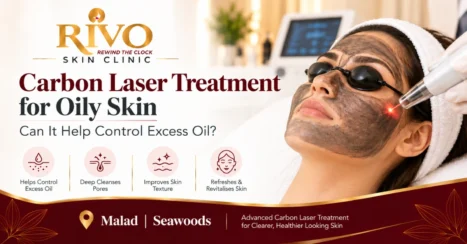
5. Carbon Laser Facial
For people who are looking for a mild dermatologist treatment for pigmentation, carbon laser facials can be one of the other choices.
Advantages include:
- Reduction in superficial pigmentation
- Oil control
- Improved skin texture
- Enhanced brightness
This treatment is especially favored by those who have greasy or acne sensitive skin, and pigmentation.
6. Microneedling with Advanced Technologies
With micro needling, it causes some micro-injury, which helps the skin heal and make more collagen.
Microneedling can be used in conjunction with a dermatologist pigmentation treatment program to help:
- Improve post-acne pigmentation
- Enhance product penetration
- Promote even skin tone
- Improve skin texture
Combination therapies may yield more effective results than single therapies.
7. Combination Treatment Protocols
Dermatologists don’t tend to use one solution. Pigmentation treatments that are most successful are generally a combination of several dermatologist treatments.
A customized plan may consist of:
| Treatment | Purpose |
| Topical Medications | Reduce melanin production |
| Chemical Peels | Remove pigmented skin layers |
| Laser Sessions | Target deeper pigmentation |
| Sunscreen | Prevent recurrence |
| Maintenance Treatments | Preserve results |
All of the above, a comprehensive approach to pigmentation from several angles and more predictable results.
The Importance of Sunscreen in Pigmentation Management
The best dermatologist treatment for pigmentation can only be effective if proper sun protection is not followed.
Using sunscreen on a daily basis helps:
- Prevent new pigmentation
- Protect treatment results
- Minimize the production of melanin, caused by exposure to UV rays.
- Minimize pigmentation recurrence
Dermatologists generally recommend:
- SPF 30 or higher
- Broad-spectrum protection
- Reapply every 2–3 hours, if outdoors
One of the most important components of pigmentation correction is consistent prevention and management of sun protection.
Factors That Influence Treatment Results
The rate of improvement of dermatologist treatment for pigmentation depends on a few factors:
Skin Type
Patients with various skin colors will respond differently.
Pigmentation Depth
The longer the treatment time, the deeper the pigmentation.
Treatment Consistency
Missed appointments or medication can cause results to be delayed.
Sun Exposure
Although some pigmentation may be treated, it can be exacerbated by exposure to excessive amounts of UV.
Hormonal Factors
Hormonal changes can affect conditions like melasma.
Success depends on using a dermatologist’s suggestions and being patient.
How Long Does Pigmentation Treatment Take?
The time frame is dependent on the condition.
| Pigmentation Type | Typical Improvement Timeline |
| Mild Sunspots | 4–8 weeks |
| Post-Acne Marks | 6–12 weeks |
| Melasma | Several months |
| Deep Hyperpigmentation | 3–6 months or more |
Within a few weeks, most patients can see results in their pigmentation program that is customized by the dermatologist.
Why Choose Rivo Skin Clinic for Pigmentation Treatment?
The main approach that Rivo Skin Clinic is based on is customized and research-proven treatments for pigmentation issues.
Our approach includes:
- Comprehensive skin assessment
- Advanced diagnostic evaluation
- Customized treatment protocols
- Modern laser technologies
- Medical-grade skincare recommendations
Regular monitoring and follow up.
Our experts develop a treatment plan that is unique to your skin, whether your pigmentation is due to acne, sun damage, hormones or age.
Tips to Prevent Pigmentation Recurrence
Once you have undergone dermatologist treatment for pigmentation, its maintenance is also crucial.
Take these precautions:
- Use sunscreen daily
- Never overexpose to the sun.
- Use protective clothing when working outside.
- Follow skin care regimen as directed
- Do not squeeze or pop acne or skin lesions
- Attend maintenance appointments as recommended
Regularly maintaining and preventing skin health is the key to long-term health.
Conclusion
Pigmentation is a complicated skin issue which frequently calls for expert examination and therapy. If you want effective and long-lasting results, you probably need professional help, but home remedies and cosmetic products can help improve the situation temporarily. In the modern day, dermatologists treat pigmentation using state-of-the-art technologies, medical skin care lines and individualized treatment planning, which is the most effective way to treat and correct pigmentation.
Our experienced dermatologists at Rivo Skin Clinic can offer you personalized treatment that is tailored to your specific needs in order to achieve brighter, clearer, and more even-toned skin. It is possible to look skincare in good health condition with the correct diagnosis and treatment plan.
Frequently Asked Questions (FAQs)
Treatment depends upon the type and depth of pigment and is best done with the right treatment. Topical medications, chemical peels, laser therapy or a combination of therapies may be recommended by dermatologists.
In some cases, pigmentation can be dramatically decreased or eliminated, however, some conditions such as melasma, may need to be maintained over the longterm to avoid reoccurrence.
The amount of sessions depends on the level of pigmentation. For best results, it’s likely that most patients will need multiple sessions.
Yes. Dermatologists tailor treatments to skin type in order to be as safe as possible and as effective as possible.
The improvement is felt by many patients after 4-8 weeks of treatment, but others may need to be treated for a few months for more deeply coloured pigmentation.
Yes, pigmentation can return if you don’t protect and maintain your skin properly from the sun.
Contact Rivo Skin Clinic
Looking for a way to have more even-tone, brighter, clearer skin?
Using the most cutting edge dermatological technology and individualised treatment plans, Rivo Skin Clinic provides innovative treatments for pigmentation, melasma, acne marks and uneven skin tone.
Make an appointment for a consultation right away!
📞 Call Us: +91 9833431663 / +91 8850661962
📍 Locations: Mumbai & Navi Mumbai
Our seasoned dermatologists will assess your skin condition and offer you the best possible treatment options for permanent pigmentation correction and healthier skin.