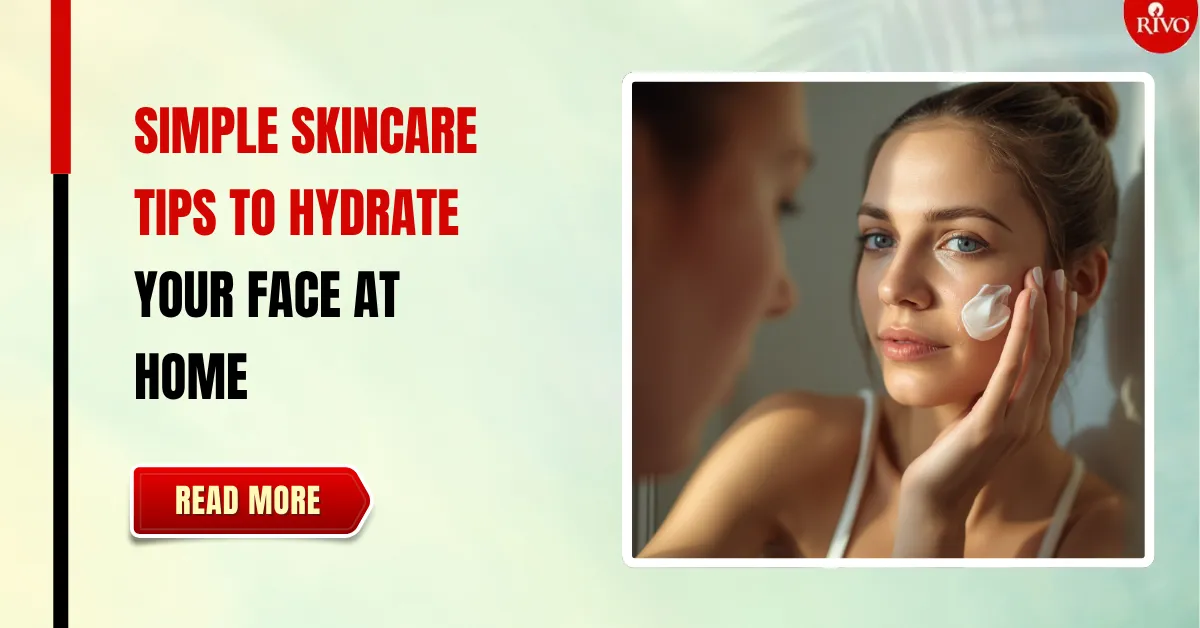
Skin’s health and hydration are the base for natural skin glow. But with the pollution, cold and windy conditions, stress, sleep deprivation and inappropriate skincare practices, a lot of people are having trouble with dryness, dullness, and dehydrated skin. So, the brighter side of the news is that you don’t have to be spending high dollar treatments to keep your skin healthy. By following a few skincare tips and some easy remedies you can easily master how to hydrate my face at home.
The skin will look fresh, radiant and feel softer, smoother and healthier. If the skin is dry, it can be flaky, rough, tight, or tired. Dryness may also accentuate fine lines and irregularities in texture.
In this blog, we will cover some easy and practical skin care tips that should help you to understand how to hydrate my face at home naturally and without harm.
Why Facial Hydration Is Important
Moisture is essential for your skin to function. Moistened skin is essential to maintain the integrity of the skin barrier, to prevent skin damage from environmental factors, and to promote a youthful complexion.
Dry skin can cause:
- Dry patches
- Tightness and irritation
- Dull complexion
- Increased sensitivity
- Premature fine lines
- Rough texture
Learning how to hydrate my face at home can help to boost the health of my skin and avoid any skin problems later on.
Signs Your Face Needs Hydration
Some may mistake dry skin for dehydrated skin. Dry skin is devoid of oil and dehydrated skin is devoid of water. Even oily skin can become dehydrated.
Common signs include:
- Skin feeling tight after washing
- Lack of freshness and liveliness.
- Increased sensitivity
- Flaky patches
- Makeup looking patchy
- Fine lines appearing more clearly.
If you see these symptoms, perhaps it’s time to take a look at your skin care regimen and concentrate on how to hydrate my face at home via dermatologist-recommended methods.
Best Ways to Hydrate Your Face at Home
- Drink Enough Water Daily
Hydration is an inside out process. The best tip for hydrating your skin is to ensure that you consume enough water during the day.
Water keeps skin supple, removes toxins, balances skin function.
Water Intake Tips Every Day:
Habit | Benefit |
Drink 7–8 glasses of water daily | Helps maintain hydration |
Add fruits like lemon or cucumber | Provides antioxidants |
Avoid excessive caffeine | Prevents dehydration |
People searching for how to hydrate my face at home often overlook internal hydration, but it plays a major role in skin health.
- Use a Gentle Face Cleanser
Strategically harsh cleaners can remove the natural moisture barrier from the skin. Use a gentle, hydrating cream to cleanse that won’t strip away oils and make the skin feel tight.
Keep an eye out for all the following ingredients:
- Hyaluronic acid
- Glycerin
- Ceramides
- Aloe vera
Don’t over wash your face, particularly with hot water, as this will aggravate dryness.
When it comes to learning how to hydrate my face at home, a proper cleansing regimen is an important element.
- Apply Moisturizer Immediately After Washing
Moisturize when skin is slightly damp – one of the most important rules for skincare. This will retain moisture and avoid loss of water.
Choose moisturizers according to your skin type:
Skin Type | Recommended Moisturizer |
Oily skin | Lightweight gel-based moisturizer |
Dry skin | Cream-based moisturizer |
Sensitive skin | Fragrance-free moisturizer |
Combination skin | Water-based hydrating lotion |
Consistent moisturizing is essential for anyone trying to understand how to hydrate my face at home naturally.
- Use Natural Face Masks
Face masks made at home can help to rehydrate and soften skin.
Popular Hydrating Ingredients:
- Honey Mask
The natural humectant properties of honey and its moisture-holding capacity help retain moisture.
- Aloe Vera Gel
Aloe vera cools and hydrates the skin lightly.
- Apply a yoghurt fruit and honey mask.
This mixture nourishes and gives a glowing complexion to dark skin.
- Cucumber Paste
Cucumber refreshes and moisturises dry skin.
Natural remedies can be a good way to complement your natural approach to hydrating my face safely at home.
- Avoid Very Hot Water
Hot water will irritate and dry out the skin barrier, and strip away natural oils.
Instead:
- Wash face with lukewarm water
- Take short, hot showers.
- Instead of rubbing pat skin gently dry.
This simple adjustment can make a big difference to the hydration of the skin.
- Use Hydrating Serums
Hydrating serums can deeply nourish the skin and help to retain moisture.
Some ingredients to consider include:
- Hyaluronic acid
- Vitamin B5
- Niacinamide
- Squalane
The ingredients enhance the texture and moisturising power of the skin, all day long.
If you wish to know how to hydrate my face at home better, then adding serums to your regimen is another great idea.
- Do Not Skip Sunscreen
One of the leading causes of dehydration and premature ageing is sun exposure.
Daily sun protection with sun cream helps:
- Rather than break down the skin barrier, care must be taken to preserve it.
- Prevent moisture loss
- Take care of your skin — decrease the tanning and dullness.
- Minimize skin damage
Select a sunscreen of SPF 30 or higher and use every day, including indoors.
When you’re looking for ways to hydrate my face at home, it’s easy to overlook the importance of sun protection.
- Include Hydrating Foods in Your Diet
The food you eat has an immediate impact on skin.
Foods that Help Keep Skin Hydrated:
- Watermelon
- Cucumber
- Oranges
- Coconut water
- Avocados
- Nuts and seeds
- Green vegetables
All of these foods have water and mineral content as well as vitamins to nourish the skin naturally.
- Use a Humidifier
Dry weather and air conditioners can decrease moisture in the skin.
A humidifier is helpful to keep the air moist and reduce dryness, particularly in winter, or in air-conditioned spaces.
If you are wondering how to hydrate my face at home when it’s changing weather, this is a simple and effective trick.
- Avoid Over-Exfoliating
Exfoliation helps to eliminate dead cells, however excessive scrubbing can cause damage to the skin barrier and lead to more dehydration.
Safe Exfoliation Tips:
- Exfoliate no more than 1-2 times per week.
- Use gentle exfoliators
- Do not scrub with hard abrasives that have large particles.
- Moisturize Always after Exfoliating.
When you exfoliate in a balanced way, you will absorb more hydrating products.
Night Skincare Routine for Better Hydration
The best time for skin to heal and repair is at night.
Simple Night Routine:
- Gently wash your face. Gently wash your face.
- Apply hydrating serum
- Use moisturizer or sleeping mask
- Apply lip balm
- Get a minimum of 7–8 hours of sleep.
Establishing a nighttime routine may enhance outcomes in the quest of knowing how to moisturize my face at home.
Common Mistakes That Cause Skin Dehydration
There are some skin care habits that are detrimental to the skin barrier without the user realizing it.
Avoid These Mistakes:
- Applying excess amounts of skincare products.
- Skipping moisturizer
- Excessive face washing
- Not drinking adequate water.
- Using alcohol-based products
- Ignoring sunscreen
- Poor sleep habits
These errors can be fixed to keep the skin healthy and hydrated without resorting to artificial products.
When Should You Visit a Dermatologist?
For mild dehydration, there are some home remedies and skin care routines that will work. There are times when professional help may be necessary.
If you get any of the following symptoms, see a dermatologist:
- Severe dryness
- Persistent irritation
- Smooth, non-abrading skin that doesn’t heal
- Redness and itching
- Upon product application, skin sensitivity may be found.
HydraFacial, medi-facials or hydrating treatments may be more effective treatments for restoring the skin barrier.
If you still do not know how to hydrate my face at home, then it is best to visit a dermatologist to guide you accordingly according to your skin type and concerns.
Final Thoughts
This is the first step towards healthy and glowing skin, and it’s all about hydration. Things as simple as drinking enough water, using gentle skin care products, moisturizing frequently and protecting skin from the sun can have a dramatic impact.
Learning how to hydrate my face at home doesn’t take much complicated routines or expensive products. The foundation of naturally hydrated skin is consistency, the right skin care products and a healthy lifestyle.
These easy skin care tips can help to boost skin texture, keep them soft and give them a new, fresh and spotless appearance without the use of any chemicals.
FAQs
Some simple steps to help keep the moisture flowing naturally into your face are to drink plenty of water, to moisturize, to apply a mask made with aloe vera or honey, and practice a good skin care routine.
One of the top hyaluronic acid ingredients is also beneficial to skin hydration due to its moisture retaining capabilities.
Yes, the oily skin can also become dehydrated, because it lacks water content or if the skin barrier gets damaged by using harsh skin care products.
Moisturize your face at least twice a day, particularly after cleaning.
Yes, water is good for skin function and keeps the skin hydrated.
Yes, sunscreen does protect the barrier layer from damage caused by the sun and will prevent moisture loss.
Contact Rivo Skin Clinic
Want to find the best advice about skin care and cutting edge moisturising facials?
At Rivo Skin Clinic, you will get a dermatologist recommended treatment along with customized skin care consultations.
Connect With Us
- Phone: +91 9833431663
- Phone: +91 8850661962
Make an appointment today and invest in the health and hydration of your skin!